Blog

  • Exploring the History of Ahivant Fort

    Exploring the History of Ahivant Fort

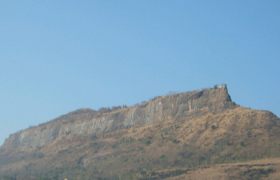
    Ahivant Fort, situated at a distance of 55 kilometres from Nashik, holds great significance as one of the notable forts in the region. It is faced by Achla, Ahivant, and Mohandar forts, strategically positioned to safeguard it from potential attacks. Captain Brigs once described the fort as tall and lacking a distinct shape.

    In 1636 the fort was been ruled by Adilshah and then Mughals take over the fort with the help of Alirvardi khan which was superior under Shaista khan commandment. In 1670 Shivaji maharaj won the fort from Mughal. Under the orders of Moghul Emperor Aurangzeb, Mahabat Khan, his loyal chieftain, was dispatched to seize the fort. Coordinating with Diler Khan, they launched a relentless attack from both sides, resulting in the fort’s surrender to the Moghuls. Later, in 1818, British Colonel Prother managed to capture the fort.

    Vani city is closed to Ahivant fort which has 44 km distance with lot of hotels for accommodation facility for tourist and trekkers. It has a safe road for trekking and does not have any dense forest while trekking.

    To reach Ahirwant fort entrance it would take around 2 hrs to reach. It has a water scarcity in fort so one must carry the water bottles. There is no facilities of night staying on fort as local people arrange the accommodation and food downside the fort at reasonable rate.

    Ahivant fort is located on plain grounds and the structure of the forts are in poor conditions while walking around the fort you will get to observed lot of Wadas which is been in dilapidated condition as some historians believe that it might be some military storage facility at that era.

    There is Mahadev pind and caves to witness at the fort. There are 2-3 water pondswhich are adjacent to one of the pond where you can witness a temple of Maa Saptashrangi.

    The Ahivant fort occupies a vast, level plateau, but its structures have fallen into disrepair. The fort’s damage include storehouses, bridge, bastions, and water tanks, as well as a sizable pond situated in the fort’s center. It takes approximately one hour to encircle the fort’s entirety.

  • Green revolution after World War

    Green revolution after World War

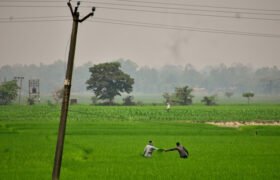
    The most tragic incident in World War 2 caused lot of destruction then world war 1 which make whole world suffer economically and socially with major impact on agriculture industry which is pillar of whole world to survive.

    After the second world war over there was tremendous shortfall of agriculture products with the green revolution movement take place to increase the capacity of agriculture goods. According in 1960 noble prize winner Dr Norman  Borlaug has achieved success in developing various agriculture crop with more immune power system such as wheat crop it was implanted in Mexico with great success till date.

    In India 1960 green revolution step in India with Dr. Norman Borlog aligning with Dr. Swaminathan as they work shoulder to shoulder to make green revolution a great success in India.

    The global food demand has experienced a significant increase, leading to a pressing need for enhanced food production. To meet this demand, innovative and new technologies were introduced to develop high-yielding crop varieties and modernize management techniques. Additionally, hybrid seeds and pesticides were made readily available to farmers. These advancements, coupled with the implementation of new irrigation techniques, have propelled India to achieve remarkable success in agriculture. The surplus production has not only met the country’s requirements but has also played a crucial role in educating and training farmers on the adoption of new technologies, such as improved breeding methods, effective pesticide usage, and water conservation practices. However, it is disheartening to note that the number of rice breeds has significantly decreased over the years, with only a handful remaining today.

    In India, Chhattisgarh have lot of indigenous breeds of rice with availability of rare sapling which can say it is a immune booster to health with special elements to stay strong in less or heavy rainfall. In some states like Maharashtra, Odisha, Andhra Pradesh, and Telangana  they have the Indigenous bread which is been store for the decades. One such example in  Maharashtra district in Ahmednagar  the village name Kombhalne one old age woman who has been felicitated with Padmashree award for his work in conversation of indigenous plant also she is been called as seed mother.

    photo credit: Green revolution

  • Organic farming need of an hour then god will be the saviour.

    Organic farming need of an hour then god will be the saviour.

    We as human being always try to prove our self superior to nature in regards of living the life but the fact to mention that future will have adverse effect on globe.

    Profoundly I want to mention a quote of famous author kalidara listen to the exhortation of the down, to this day for it is life the life of life in its brief curses lie all the varieties and realises of your.                  

    Time is an invaluable asset that demands our utmost respect. It has the power to shape every aspect of our lives, and we must acknowledge its significance by planning for the future and taking action in the present. By doing so, we can ensure that our future is aligned with our goals and aspirations.

    Since the green revolution movement, both India and the entire world have experienced significant changes in the environment, particularly in the field of farming. The introduction of chemical fertilizers has led to a drastic shift in farming practices, with farmers using excessive amounts of these fertilizers to maximize crop production. However, this approach has proven to be harmful in the long run.

    Farmers are unknowingly turning their once fertile lands into a living nightmare, as the excessive use of chemical fertilizers is slowly degrading the quality of the soil. This will undoubtedly have adverse effects in the near future. Gone are the days when farmers used a handful of fertilizer on their land. Nowadays, they openly add ample amounts of these chemicals to their already fertile fields, unknowingly jeopardizing the very conditions that make the land productive for crop growth. As a result, the excessive use of chemical fertilizers not only affects the land, but also contaminates rivers and ponds. The water, which is essential for both farming and human consumption, becomes polluted and unsafe. Furthermore, the industrial sector also contributes to this environmental crisis. The release of hazardous waste water by industrialists has a detrimental effect on rivers, further increasing water pollution. Additionally, this pollution extends to the air, posing a threat to human health. The increased levels of air pollution can have severe consequences on our well-being.

    It is crucial for us to recognize the adverse effects of these farming practices and take immediate action to rectify the situation. Sustainable farming methods and the use of organic fertilizers can help restore the health of our lands and protect our precious water resources. By doing so, we can ensure a healthier and more sustainable future for both ourselves and the environment.

    According current population we will not find any single home in whole world which is not been diagnosed with disease such as blood pressure diabetes, arthritis, heart, anxiety, depression, high Bp which are commonly found in young people with consuming cereals, milk, fruits and vegetables grown with the help of fertilizer as they decrease the nutrients of food which is not suitable to the body

    On the other hand the worse thing is decreasing of honey bee venom and melitin which suprasses the increasing factor of cancer.

  • Why is Organic farming important ?

    Why is Organic farming important ?

    Why organic farming is creating a lot of speculation around the globe for the last ten years or the importance of organic farming is maturating around the globe.

    As food is our oxygen our strength and a valuable resource to survive on the planet all the creatures on the planet whether it is human being or animals, birds they all are depended upon food and to get the food farming is only the option. In India we have old era history of farming dated book to 5000 old Indian farming culture have been great combination of saint agriculture tradition in India. Reversed Saint Tukaram that if organic breed on the land crop will also grow with good immunity the lesson we should learnt that chemical farming health will directly affect the land and make them infertile with hazardous we of chemical there were the time when people love to the fragrance of the gentile land our mother but to large extent the days are gone but but I firmly that the without goods  naturally farming there is no future.

    Especially in India the traditional farming which dated backs thousand years ago people use to find auspicious days to start farming season eventually after sometime there were lot of changes in implementation farming due to effect of global green revolution movement.

    Since our forefather were educated but the farming they conducted have lot of science it but some people dens to as superstation our forefather used to say that our farming is correlated with the man speed into growth and this has been proofed by national farming of organic centre agriculture college palar { Himachal Pradesh} research centre.

    On full moon day some suggest the water get abstracts and it has been proved However the moonlight at different times also influencer the growth of plants the moon light increase it also stimulates least growth after the full moon the full moon light decrease putting energy into plant roots after some time the above ground leaf growth slows down once lord Krishna said taht is will return to earth and with my will power is will all the good Nora.

  • Exploring the world of Mushrooms 

    Exploring the world of Mushrooms 

    A one such product which is been marginalized by society is mushroom. The health benefit of mushroom which the society is not fully aware the mushroom which has been used in ancient times also but could not get momentum in early stage and were realized on goods much before civilization.

    Mushroom which grows on decomposed Organic plant matter is healthy for our body bat some are non edible and poisonous to health it plays a important role in human nutrition and health they are rich in protein  with fat rice energy as has the capability to detoxify the contaminated environment.

    Mushrooms are not plants but belong to the fungi kingdom. They are known for their fruiting bodies, which are the visible part of the organism. These fruiting bodies come in a wide range of shapes, sizes, and colours, making them a subject of fascination for nature enthusiasts and photographers. From the iconic red and white spotted Amanita muscaria to the elegant and twisted forms of the coral fungi, mushrooms showcase the diversity of the natural world.

    Although there is opportunity to commercialize mushroom industry to the way for income generating venture it will be boon for unemployment population birth in urban and rural places and should be done with enhance technological to further get the good production.

    Never research development like indoor cultivation of edible spices like batton, cyster, paddy, staw and milky mushrooms have initated a new concert of protein from waste.

    Specics such as ganoderma lentinals edoded pleurtous are known to have large amount of medicial properties like immune enhances diabetes and for bone health also in a new research the concept of selenium rich mushrooms has arked a great success in slowing down process of AiDS. It is ecofriendly and sustanble cultivation of mushroom which will further make the healthier impact on health and if we make commerciaze it will defienetly in large amount of cheap agriculture.

  • How to create a Fishbone Diagram

    How to create a Fishbone Diagram

    A fishbone diagram, also known as a cause-and-effect diagram or an Ishikawa diagram, is a visual tool used to identify and analyze the potential causes of a problem or an effect. It was developed by Kaoru Ishikawa, a Japanese quality control expert, in the 1960s.

    A fishbone diagram is nothing but to examine the causes and effect in a simple manner.

    1 Last word proton refers to pharmaceutical online.

    2 It’s a chart based diagram to bifurcate all the causes of problem in chart with accurate findings and their solutions.

    3 Analyze all the possible causes of problem. You should ask your inner mind why this is happening you can write on a chart.

    4 Again analyze about each cause and write their sub cause and try to go deep and deep to each and every level of causes.

    5 You should focus on ideas to have solutions.

    6 And your should possessive towards the process and not the people.

    The main categories typically used in a fishbone diagram are the 6Ms: Manpower, Method, Machine, Material, Measurement, and Mother Nature (environment). These categories cover a wide range of factors that can contribute to a problem or effect.

    A valuable tool for problem-solving and analysis. Its visual nature helps to organize and categorize potential causes,.

  • Discover the Beauty of Ravangla Lake Sikkim

    Discover the Beauty of Ravangla Lake Sikkim

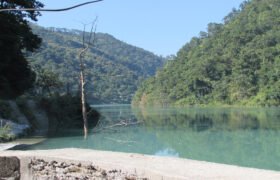
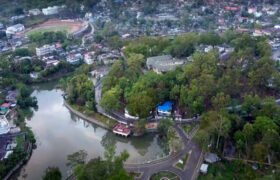
    Sikkim an ultimate destination for all traveller to visit its abundant resources of natural beauty, mesmerizing calmness of scenic hills would make you stun for quite a time. One such destination is Ravangla Lake a hidden gem that captivates the hearts of all who visit. Located in the picturesque town of Ravangla in the Indian state of Sikkim, this serene lake offers a tranquil escape from the chaos of everyday life.

    Ravangla one of the prominent place that is set between pelling and gangtok at a height of about 7000 feet above sea level.

    The broad Himalayan range which has a unmatched view and Ravangla has a exquisite view and a must visit destination.

    The lake is also a popular spot for boating enthusiasts. Renting a paddleboat or a rowboat allows visitors to explore the lake at their own pace, immersing themselves in the tranquillity of the surroundings. The experience of gliding across the serene waters is truly rejuvenating.

    It has a hidden series for trekkers and explorers through Maenam wildlife sanctuary.

    A large Tibetan community is settled in Ravangla and has a Buddhist monasteries which is one of the popular site to visit.

    From ravanglaa one of the famous peaks like mt kanchejunja. Mt kabru, mt pandim and mt siniolchu are visible.

    Ravangala has blessed with its own exotic flowers like orchids and rhododendrs with various himalayn birds like grey bush chats, dark throated thrush, verditier flycathcher.

    Ravangla has two hot springs Borong and Thong which has extremely good therapeutic properties because of sulphur rich substance that can soothe your prolonged dull pain or cramps.

    In Borong village in Ravangla town which is famous for his handmade paper unit and produces one of the finest handmade handicrafts paper products and it is very well known in overseas with high demand.

  • Explore the attractions of Haflong Lake

    Explore the attractions of Haflong Lake

    Assam one of the hilly north eastern state which is been quite unearth for some time and in recent years the unexplored gem places are making their presence on traveller heart.

    One such discovery of this adventure trip is Haflong lake and Haflong hill.

    Haflong hill which is surrounded by lush greenery and rolling hills, this serene lake around Haflong hill offers a tranquil escape from the hustle and bustle of city life. With its crystal-clear waters and breathtaking views, Haflong Lake is a must-visit destination for nature lovers and adventure enthusiasts alike.

    Haflong Lake is also a cultural hub. The lake is surrounded by several tribal villages, where visitors can experience the rich cultural heritage of the region. The locals are known for their warm hospitality and traditional handicrafts. Visitors can explore the vibrant markets and indulge in the local cuisine, which is a delightful blend of Assamese and tribal flavours.

    The picturesque panorama view makes this place one of the magnificent wonders of the world.

    It is completed surrounded by the peaceful lake and mountain and located at the heart of the hill station.

    Haflong hill is one of the calm hill station blessed with lush greenery scenic views and has calm ambience and has wildlife greenery and it would be a delightful trip for nature lovers and will be a stress buster for fatigue souls.

    The Haflong lake, also known as the “Switzerland of the East,” is the largest natural water body in Assam. Its calm and peaceful ambiance makes it an ideal spot for boating and fishing. Visitors can rent paddle boats or rowboats to explore the lake and enjoy the stunning vistas. The lake is also home to a variety of fish species, making it a popular spot for angling.

    It also offers adventures activities like paragliding, trekking and water sports like boating activities.

    It is 310 km long from Guwahati in Assam.

  • Explore the Breathtaking Kaziranga National Park in Assam

    Explore the Breathtaking Kaziranga National Park in Assam

    One of the famous national park and most recommended places to visit if you are avid lover of wildlife.

    The park is situated on the banks of the Brahmaputra River with sprawling grasslands, marshes, and thick forests. It provides a natural habitat for a diverse range of flora and fauna, including tigers, elephants, wild water buffalo, and various species of birds. The park’s unique ecosystem supports a graceful balance of wildlife, making it a haven for nature enthusiasts and researchers alike.

    Assam  one of the hilly region and most famous for his high end tea estates cultivation.

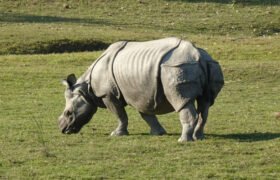
    One of the most famous preservation of one horned rhinoceros.

    A enormous association to experience real life elegant nature creature like leopard, gibbons, elephants, fling, squirrels, leopards, swamp dear and Bengal foxes.

    Surrounded by rich flora and fauna will make your experience a rare visualization of some extinct trees and their culture.

    Some interesting facts about kaziranga national park that it was formed in 1908 on the recommendation of many Curzon and it is spread around 430 square kilometre and has around 2200 Indian one horned rhinoceros.

    With its dense forest and marshy grassland with its extinct species and their protection it was proposed as reserved forest with an area of 232 km2(90sqm).

    Gradually tiger population has also been increasing and so it was also declared as tiger reservation in 2006.

    Visitors to Kaziranga National Park can explore its beauty through jeep safaris and elephant rides, allowing them to witness the wildlife up close. The park also offers opportunities for birdwatching, as it is home to numerous migratory and resident bird species.

    It ha various types of birds breeds like ferruginous duck, black necked stark, Asian openbill and many more to name which  migrate from central Asia during winter season.

    A must appreciated part of this kaziranga national park that they have protect the wildlife and their endangered species through their amazing activities.

     It has received world heritage site by UNESCO and it is located on the edge of eastern Himalayan bio diversity area of Golaghat and Nagaon district.

  • Discover the Hidden Gem of Meghalaya: Mawlyngbna

    Discover the Hidden Gem of Meghalaya: Mawlyngbna

    The god kiss nature of Meghalaya have countless places that has been nurtured and everyone should visit this bespoke nature beauty.

    Mawlyngbna is one of the fascinating places and adventures region of Meghalaya. You can enjoy the short hikes around it and eventually it will take you to beautiful waterfalls and there you can witness the fossil parks.

    Some historical data suggest that it has fossils dated back 200 million years ago and locals point out to be seabed presence means the place was under water.

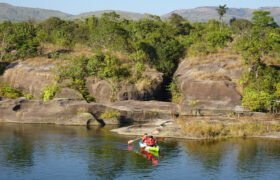
    There are lot of adventurous activities to enjoy like kayaking, angling and cliff jumping.

    For adventure enthusiasts, Mawlyngbna offers a plenty of activities. From trekking through the dense forests to exploring the hidden caves, there is something for everyone. The village is also a gateway to the famous David Scott Trail, a historic route that was once used by the British to connect Assam with Bangladesh.

    Nestle in greenery alongside hills with voluptuous road and mesmerizing natures beauty with thrilling mountains and the natures voice.

    Prior reaching to Mawlyngbna one can witness the foggy ambiance of Mawphlang scared groove and enjoy the unearthed beauty.

    The Dawki River, with its forest green waters, is a sight to behold and a popular spot for boating and kayaking. The nearby living root bridges, a marvel of bioengineering, are a testament to the innovation of the local Khasi people.

    It has a joy able sunset to enjoy from hilly region.

    A thrilling Umkhakoi water reservoir to try some adventures activity accompanied with a foggy morning and the sound of their raindrops will soothe your body.

    A river canning thrill will be a lifetime experience which will be jumping from the cliff and leaning down tiny waterfalls rappelling a few with swimming and kayaking to the Umkhakoi river. A moment to remember for lifetime.

    It has the multiple options to stay in cottage or tents inside the jungle and offers the authentic local, Meghalaya cuisine which is mouth watering.

    Mawsynram town which is 15 km from Meghalaya of east khasi hills district is located the top of the hill side.